
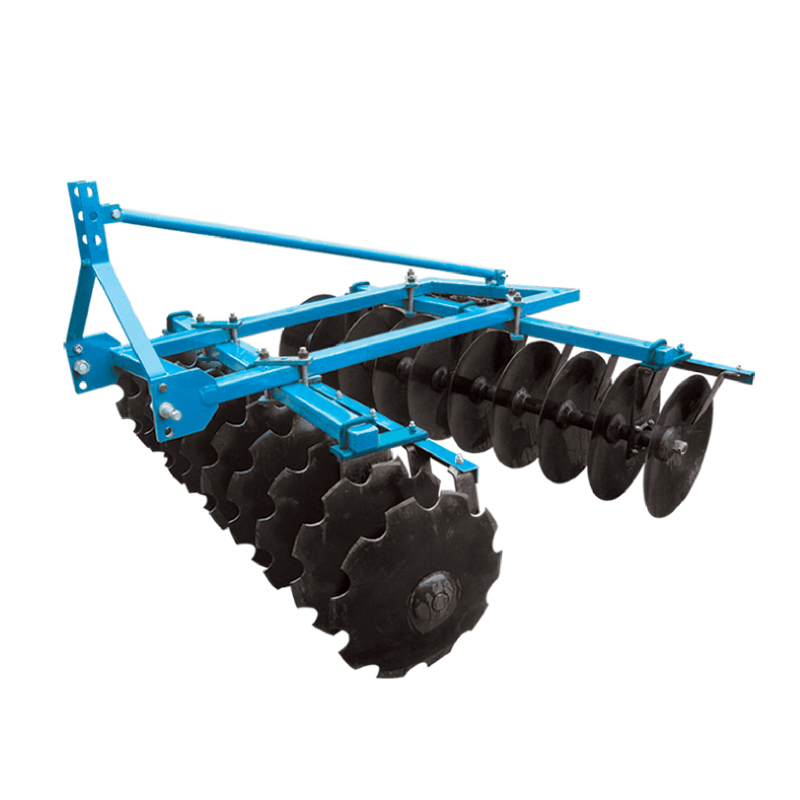
Agriculture, one of the oldest human practices, is undergoing a technological revolution. The future of farming is being shaped not just by hard work and soil, but by software, sensors, and smart machines. Among the most transformative technologies are automated tractors, intelligent harvesters, and agricultural drones. Together, they represent a new era of farm automation, promising increased productivity, sustainability, and precision. Rotary Tiller.
Tractors: Smarter and Autonomous
Once purely mechanical beasts of burden, tractors have evolved into high-tech machines. Modern tractors are often equipped with GPS, AI-driven navigation systems, and sensors that allow for precision agriculture. Autonomous tractors, capable of plowing, planting, and tilling fields without human intervention, are becoming increasingly popular.
These smart machines can follow pre-programmed paths, avoid obstacles, and even adjust their operations based on real-time data such as soil conditions or weather forecasts. This level of automation reduces labor costs and increases efficiency while also minimizing resource waste like fuel and fertilizers.
Harvesters: Intelligent Crop Collection
Harvesting, once the most labor-intensive part of farming, is being streamlined through automation. Today’s advanced harvesters can identify crop ripeness, adjust their speed and technique accordingly, and even sort produce during collection. These machines are equipped with cameras, sensors, and machine learning algorithms that allow them to make decisions on the fly.
For example, robotic harvesters used in fruit and vegetable farming can recognize and pick only ripe produce, leaving the rest to mature further. This targeted approach not only improves yield quality but also reduces the need for repeated passes through the fields, saving time and energy.
Drones: Eyes in the Sky
Agricultural drones have become invaluable tools for monitoring and managing farmland. Equipped with multispectral cameras, LiDAR, and infrared sensors, drones can survey large areas quickly and gather detailed data on crop health, soil conditions, pest infestations, and more.
Farmers use this data to make informed decisions about irrigation, fertilization, and pest control, enhancing precision agriculture practices. Some drones are also being developed to spray pesticides or seed fields, providing a fast and efficient alternative to traditional methods.
The Synergy of Farm Automation
While each of these technologies is powerful on its own, their true potential lies in integration. Imagine a fully automated farm where drones scout the fields and feed data into a central system. Based on that information, autonomous tractors and harvesters spring into action, adjusting their behavior for optimal performance. This seamless coordination reduces waste, increases output, and supports sustainable farming practices.
Challenges and the Road Ahead
Despite the promise, farm automation faces challenges such as high initial costs, data privacy concerns, and the need for robust rural connectivity. Additionally, the shift toward automation could disrupt traditional labor models, requiring new training and support for displaced workers.
Nevertheless, with the global demand for food rising and arable land under pressure, farm automation isn't just the future — it’s a necessity. Tractors, harvesters, and drones are not just tools; they are partners in building a more efficient, sustainable, and technologically empowered agriculture sector.