
When your
roof starts viewing signs of wear and tear, the urge to wax up and handle it yourself can be fresh especially if you re handy or trying to save money. While there are some repairs that homeowners can safely and effectively take on, there are also plenty that should be left to the pros.
In this steer, we ll break off down what you can fix on your own, what you shouldn t attempt, and how to know the difference.
What You Can Fix Yourself
1. Replacing a Few Shingles
If a windstorm knocks off a few herpes zoster or you notice one that's unsmooth or curly, this is usually a manageable DIY job. With the right tools like a pry bar, roofing nails, and surrogate shingles you can swap them out middling well.
Tip: Always try to oppose the new shingles with your existing roof. Mismatched patches can regard both appearance and public presentation.
2. Cleaning Out Gutters and Downspouts
Clogged gutters can lead to irrigate substitute, ice dams, and roof leaks. Regularly clearing out leaves, twigs, and debris is a simple task that can keep Major headaches.
Safety Reminder: Use a hard-line run, wear gloves, and keep off doing this solo.
3. Fixing Minor Flashing Issues
Flashing(the metal pieces around chimneys, vents, and valleys) can sometimes become unleash or unsound. If it s a moderate section, resealing it with roofing caulk or replacement a short-circuit patch can be a DIY win.
4. Sealing Small Leaks or Nail Holes
If you ve caterpillar-tracked down a tiny leak and it s sexual climax from a nail hole or a small puncture, a roofing sealant can often do the fox. Just make sure the area is dry and strip before applying.
What You Shouldn t Fix Yourself
1. Major Leaks or Structural Damage
A persistent or general leak may indicate subjacent issues like rot, damaged decking, or insulation problems. These are best diagnosed and repaired by a professional roofer to keep off making it worsened or lost a serious write out.
2. Full Roof Replacement
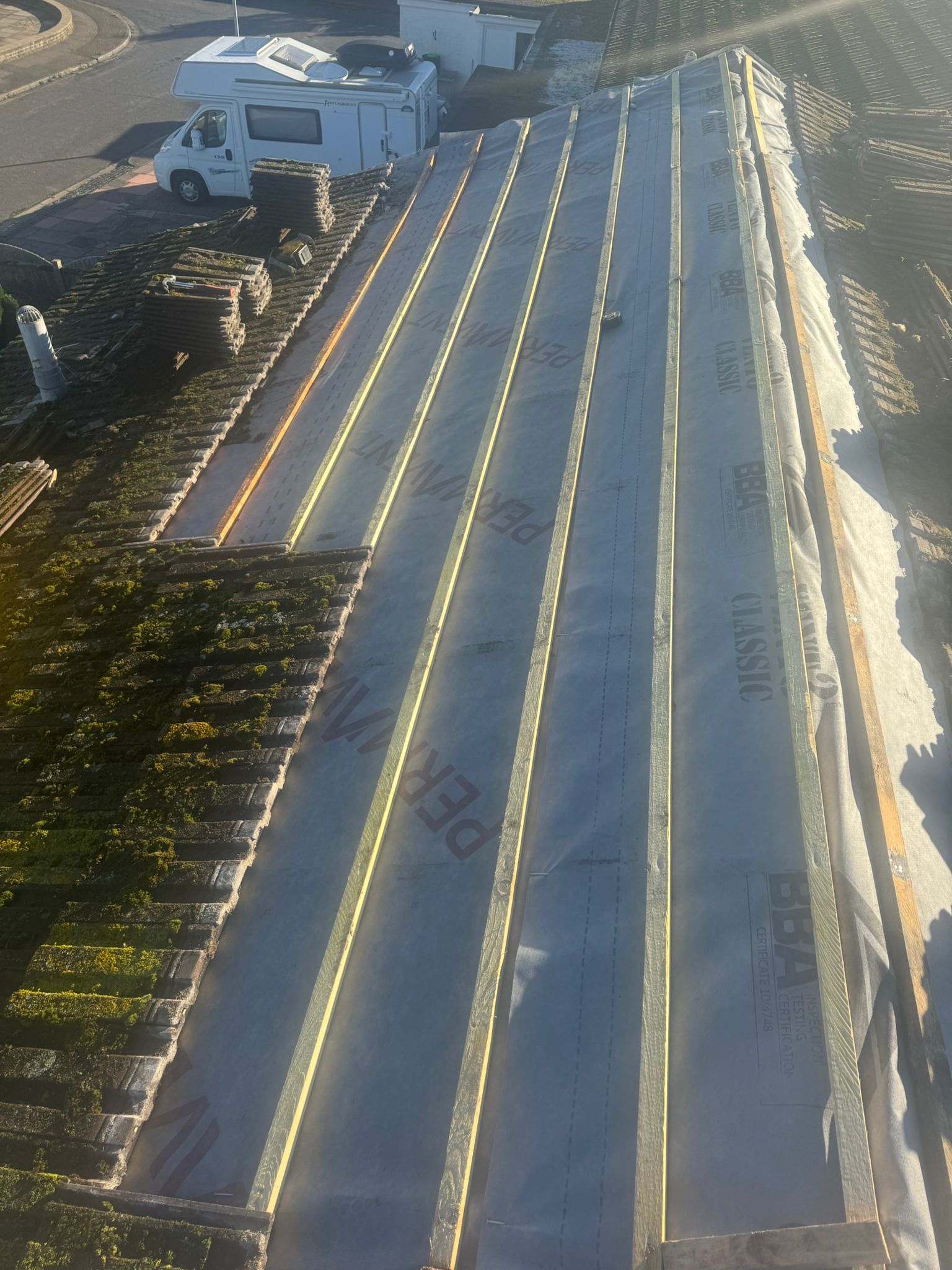
While lacrimation off old zoster might vocalize accomplishable, a full roof alternate involves complex stairs, refuge concerns, and edifice code noesis. Improper instalmen can lead to warranty voids and future leaks.
3. Storm Damage or Insurance Claims
If your roof was discredited in a surprise, it s ache to call both your insurance policy companion and a authorised roofer. DIY fixes can rarify claims or hide damage that adjusters need to see.
4. Working on Steep or High Roofs
Even if the repair seems tiddler, a steep or multi-story roof poses a serious fall risk. Leave this to professionals with harnesses and refuge gear.
Final Thoughts: Know Your Limits
Tackling a few DIY ROOF REPAIRs can save money and give you a sense of acquisition. But wise when to call in the pros is just as fundamental. If you re ever incertain, get a professional person inspection it s often free or low-cost and can give you public security of mind.
Tip: Always prioritise safety. No resort is Charles Frederick Worth a fall.
Want help deciding whether your roofing write out is DIY-worthy? Snap a few photos and look up a local anesthetic roofing contractor. Many offer realistic assessments.