
Developmental Dysplasia of the Hip (DDH) refers to a spectrum of anatomical abnormalities in the hip joint, ranging from mild instability to complete dislocation. It is most commonly diagnosed in infancy and early childhood, and early detection is vital to prevent long-term complications such as osteoarthritis, gait abnormalities, and chronic pain. Effective screening and timely treatment are essential components in managing DDH to ensure normal hip development.
Screening Protocols
Screening for DDH typically begins at birth and continues through early childhood, particularly in high-risk populations. The American Academy of Pediatrics (AAP) recommends a combination of physical examination and selective imaging based on risk factors. Clinical screening involves the use of specific maneuvers, such as the Ortolani and Barlow tests, performed during routine newborn assessments. These tests are designed to detect hip instability or dislocation by manipulating the infant's legs and observing for a palpable "clunk" or dislocation.
Risk factors that may prompt further imaging include breech presentation, a positive family history of DDH, oligohydramnios, and firstborn female infants. In such cases, an ultrasound of the hips is typically performed at 4 to 6 weeks of age, as the neonatal hip is predominantly cartilaginous and may not be adequately visualized on X-ray. If the diagnosis is delayed beyond six months, plain radiographs become more reliable due to ossification of the femoral head.
Universal ultrasound screening is practiced in some countries, such as Austria and Germany, and has been associated with a reduction in late-presenting DDH cases. However, in the United States and many other regions, selective ultrasound screening remains the standard due to considerations of cost-effectiveness and the risk of overtreatment.
Treatment Protocols
The treatment of DDH depends on the age of the patient and the severity of the condition. For infants under six months with reducible hips, the Pavlik harness is the first-line treatment. This dynamic brace holds the hips in a flexed and abducted position, promoting proper alignment and stabilization while allowing movement. The harness is usually worn full-time for several weeks to months, with regular monitoring through clinical exams and imaging.
If the Pavlik harness fails or if the diagnosis is made after six months of age, more invasive options may be required. Closed reduction under anesthesia followed by spica casting is commonly used for children between six months and two years old. For older children or in cases where closed reduction is unsuccessful, open surgical reduction may be necessary. This may be accompanied by osteotomies to correct deformities and ensure long-term joint stability.
Early and appropriate treatment typically leads to excellent outcomes. However, delays in diagnosis or inadequate management may result in persistent dysplasia and long-term joint damage. Therefore, adherence to standardized screening protocols and timely intervention are crucial.
Conclusion
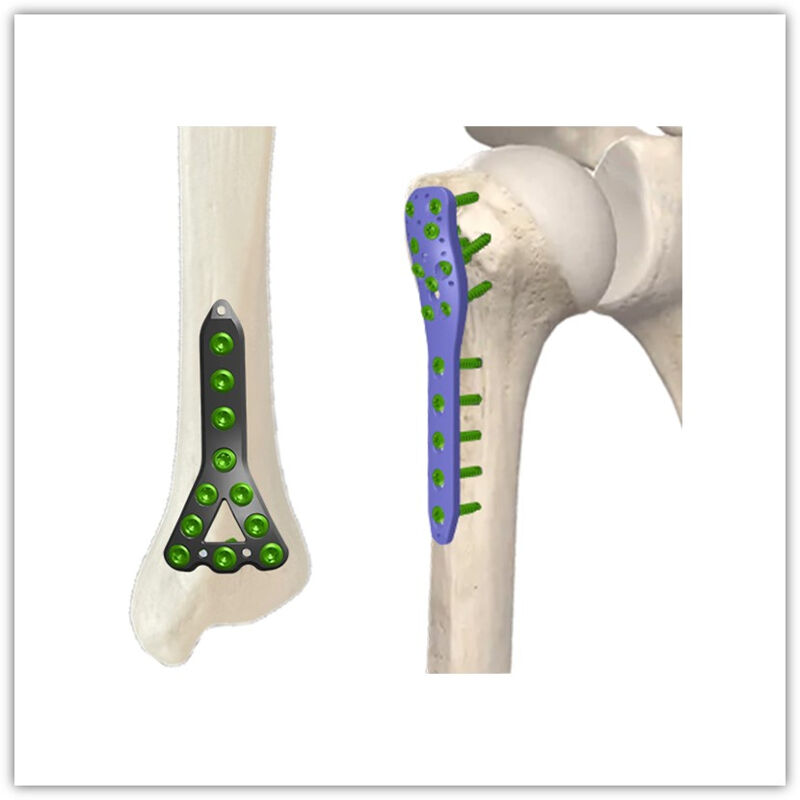
Developmental Dysplasia of the Hip is a treatable condition when identified early through vigilant screening and appropriate treatment. Pediatricians, Locking Plate System specialists, and caregivers all play essential roles in recognizing risk factors, ensuring accurate diagnosis, and implementing timely management strategies. With continued awareness and adherence to established protocols, the burden of DDH-related complications can be significantly reduced.