
Eid is one of the most celebrated festivals in Pakistan, and it is a time when families come together, exchange gifts, and enjoy festive meals.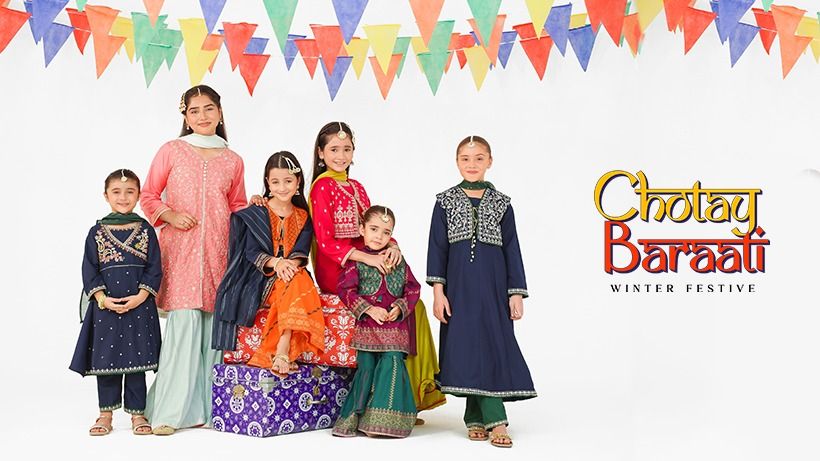
One of the most exciting parts of Eid for young girls is choosing their outfits. Eid dresses for girls Pakistani are more than just clothing; they represent culture, tradition, and the festive spirit.
Among the many aspects of these outfits, color plays a vital role in reflecting the mood, personality, and cultural preferences.
Understanding color traditions in eid dresses for girls Pakistani helps parents and young girls select the perfect outfit that aligns with both style and tradition.
The Importance of Color in Eid Dresses
Colors are not chosen randomly in Eid fashion. They carry symbolic meanings and are deeply rooted in Pakistani culture. For instance, vibrant colors are often associated with joy, celebration, and energy, while pastel shades can signify calmness and elegance. In eid dresses for girls Pakistani, the choice of color often depends on the girl’s age, personality, and the type of event she will attend.
Bright colors like red, orange, and pink are commonly preferred for younger girls. These colors exude liveliness and charm, making them perfect for the playful energy of children. On the other hand, pastel shades like mint green, peach, and lavender are ideal for slightly older girls who prefer a subtle, sophisticated look.
Traditional Colors and Their Meanings
In Pakistani culture, certain colors have traditional associations. Understanding these associations can help in selecting an appropriate eid dress for girls Pakistani.
-
Red: Red symbolizes festivity, energy, and joy. It is often worn during celebrations and family gatherings. Younger girls wearing red dresses tend to stand out due to the color's vibrancy.
-
Green: Green holds religious significance in Islam and is considered a color of prosperity and happiness. Many families prefer green outfits for Eid as a way to honor tradition while celebrating the festival.
-
Yellow: Yellow represents sunshine, happiness, and warmth. It is especially popular in spring Eid collections, as it complements the season’s bright and cheerful mood.
-
Blue: Blue conveys calmness, peace, and balance. Soft blue shades are often chosen for formal Eid occasions where a more refined appearance is desired.
-
Pink: Pink is universally associated with sweetness, innocence, and femininity. Light pinks are gentle and elegant, while bright pinks are playful and fun, making them versatile for eid dresses for girls Pakistani.
-
White: White symbolizes purity and simplicity. It is less common for festive Eid outfits but often paired with colorful embroidery and embellishments to make it more festive.
Seasonal Influence on Color Choices
The choice of color in eid dresses for girls Pakistani is also influenced by the season. Summer Eid outfits often feature bright, lively colors that reflect the warmth and energy of the season. Shades like coral, turquoise, and lemon are popular in summer collections.
In contrast, winter Eid dresses tend to include deeper, richer shades such as maroon, navy blue, and emerald green. These colors not only complement the season’s mood but also provide a sense of warmth and comfort. Designers often mix these traditional colors with modern trends to create versatile outfits suitable for various occasions.
Regional Variations in Color Preferences
Pakistan is a culturally diverse country, and color preferences for eid dresses for girls Pakistani can vary by region. In Punjab, vibrant colors like red, orange, and pink are highly popular, reflecting the energetic and lively culture of the area.
In Sindh, the traditional Ajrak patterns influence color choices, often incorporating deep indigo, maroon, and black. These colors are paired with intricate prints and embroidery, creating a unique look for Eid celebrations.
In Balochistan, earthy tones like brown, beige, and mustard are more common, reflecting the region’s natural landscape. These shades are often paired with subtle embroidery to maintain a balance between tradition and festive elegance.
Khyber Pakhtunkhwa (KPK) favors bold and bright colors in floral patterns, often mixed with white or light-colored backgrounds to make the designs stand out. These regional preferences demonstrate how culture and geography influence eid dresses for girls Pakistani.
Modern Trends in Eid Dress Colors
While tradition plays a significant role in color selection, modern trends have introduced new options in eid dresses for girls Pakistani. Designers now experiment with ombre effects, color blocking, and metallic shades to create fresh, trendy looks.
Metallic colors like gold, silver, and rose gold are increasingly popular, especially for semi-formal and formal gatherings. These shades give a festive sparkle to the dresses and are often paired with soft pastels or vibrant hues for a balanced look.
Another modern trend is the use of gradient colors, where one color blends into another. This technique creates a visually appealing effect and adds a contemporary twist to traditional designs. Young girls often love these trendy patterns because they make the outfit more playful and unique.
Matching Colors with Accessories
The color of an eid dress for girls Pakistani is not the only consideration; coordinating accessories is equally important. Traditional jewelry, hair accessories, and footwear should complement the dress color to create a harmonious look.
For bright-colored dresses, accessories in neutral shades such as gold, silver, or beige work best. For pastel dresses, soft-colored accessories or those with subtle sparkle can enhance the overall appearance. Matching the dupatta (scarf) with the dress color or choosing a contrasting shade is also a common practice, adding depth and dimension to the outfit.
Color Psychology and Age Appropriateness
Psychologists believe that colors can influence mood and behavior. In the context of eid dresses for girls Pakistani, choosing the right color can enhance the festive experience.
Younger girls are naturally drawn to bright and lively colors, which align with their energetic personalities. As girls grow older, they may prefer softer, pastel shades or more sophisticated tones that reflect their developing sense of style. Parents often consider age appropriateness when selecting dress colors, ensuring that the outfit feels suitable and comfortable for the child.
Cultural Significance of Color Combinations
In Pakistani culture, certain color combinations carry specific meanings and are often repeated in traditional Eid dresses. For instance, pairing green and gold symbolizes prosperity and festivity. Similarly, red and white is a classic combination representing joy and purity.
Designers often use these culturally significant combinations in embroidery, prints, and embellishments to maintain a connection with tradition while offering a modern twist. These combinations are widely appreciated and remain popular in both urban and rural areas.
Influence of Fabric on Color Choices
The type of fabric also affects the color of eid dresses for girls Pakistani. Fabrics like chiffon, silk, and lawn absorb colors differently, influencing how vibrant or soft the final dress appears.
-
Silk: Silk fabrics have a natural sheen, making colors appear richer and more luxurious. Bright colors like red, pink, and royal blue look stunning in silk.
-
Chiffon: Chiffon drapes beautifully and works well with pastel shades and printed patterns. It gives a soft and flowy look, perfect for younger girls.
-
Lawn: Lawn fabrics are lightweight and breathable, ideal for summer Eids. These fabrics usually feature bright and cheerful prints, combining multiple colors harmoniously.
-
Velvet: Velvet is often used in winter Eid dresses. Deep, rich colors like maroon, emerald, and navy appear even more elegant on velvet due to its textured surface.
Traditional vs. Contemporary Color Styles
Traditional eid dresses for girls Pakistani usually follow conservative color palettes influenced by cultural and religious practices. These include shades like green, red, and gold. Embroidery and embellishments are also carefully chosen to match the dress color, creating a cohesive look.
Contemporary styles, however, are more experimental. Designers now mix unconventional colors, such as lavender with silver or turquoise with coral, to create unique combinations. These modern trends appeal to young girls who enjoy standing out and expressing their personality through clothing.
Tips for Selecting the Perfect Color
Selecting the perfect color for eid dresses for girls Pakistani can be challenging due to the vast options available. Here are some helpful tips:
-
Consider Skin Tone: Choose colors that complement the girl’s skin tone. Warm tones look great in bright colors, while cooler tones suit pastel shades.
-
Occasion Appropriateness: For formal family gatherings, choose subtle or traditional colors. For casual Eid meetups, vibrant and playful colors work well.
-
Seasonal Suitability: Bright colors for summer, deep shades for winter, and soft pastels for spring.
-
Mix and Match: Don’t hesitate to experiment with color combinations for a modern touch while maintaining cultural sensibilities.
-
Accessories Coordination: Ensure accessories either complement or contrast the dress color to create a balanced and stylish look.
Conclusion
Color plays a central role in eid dresses for girls Pakistani. From traditional red and green to modern pastel shades and metallic hues, the choice of color reflects culture, personality, and festive spirit. Seasonal influences, regional variations, and modern trends all contribute to the rich diversity seen in Eid fashion. Parents and young girls can carefully select dress colors that complement skin tone, occasion, and personal preference to create memorable festive moments.
Ultimately, the vibrant and thoughtful use of color in eid dresses for girls Pakistani ensures that every girl feels confident, joyful, and part of the cultural celebration. Whether following tradition or embracing modern trends, color remains at the heart of Eid fashion, adding beauty, excitement, and meaning to this cherished festival.